

Introduction:
The Hon’ble Supreme Court, in its recent judgment, John Mathew Vs. Santha Paul (2026 SCC OnLine SC 1940), construed the scope and application of Order XIV Rule 2 CPC, 1908. The bench comprising Justice K.V. Viswanathan and Justice Arun Palli held that the Code confers no jurisdiction upon the court to try a suit on mixed issues of law and fact as preliminary issues. Furthermore, once trial of the issues commences, the court does not exercise the power under Rule 2(2).
Facts of the Case:
The central question of law arose when the trial court dismissed the suit on the preliminary issue of limitation, and the appellate court affirmed that decision. Whereas, the High Court, in regular second appeal, held that the issue of limitation was not a preliminary issue but involved question of fact and law and required a full trial. Hence, the impugned decision was challenged before the Supreme Court.
Legal Provision Analysed:
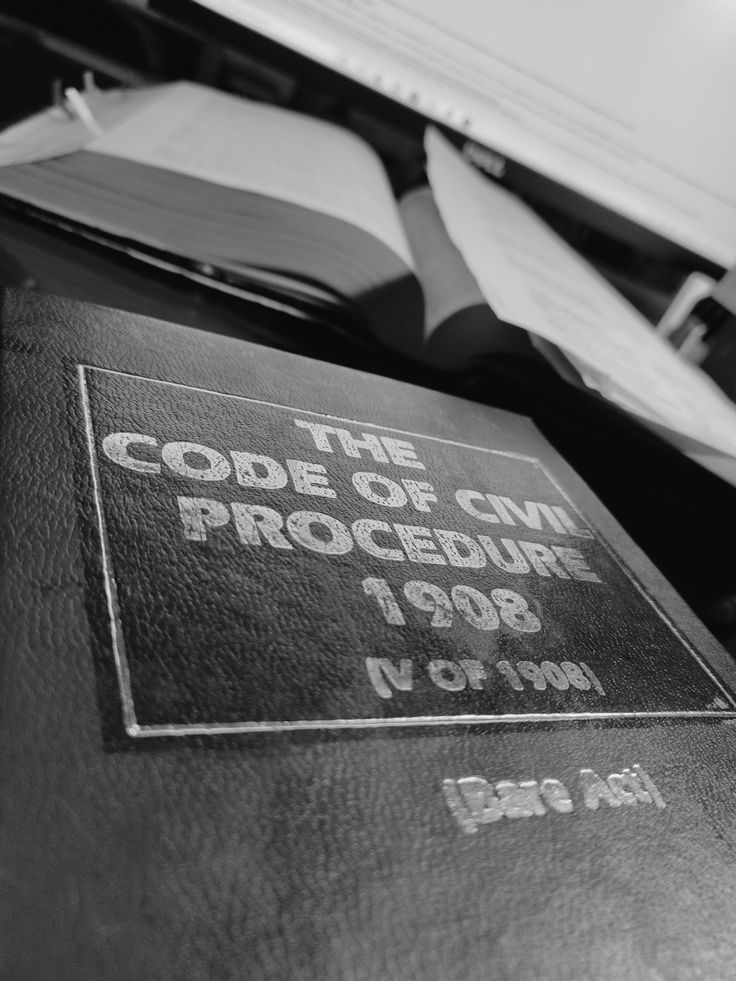
The application and scope of Order XIV Rule 2 of CPC – to adjudicate a suit on preliminary issue of law related to jurisdiction or statutory bar.
Order XIV Rule 2 and Issue of Law only:
The Sub-rule (1) of Rule 2 requires the Court to pronounce judgment on all issues. While Sub-rule (2) provides three requirements to postpone the settlement of other issues if:
– the proposed issue is an ‘issue of law only’;
– it relates either to jurisdiction or to a statutory bar; and
– the Court has opinion that the case, or a part, may be disposed of upon that issue.
Therefore, if the Court considers that the suit can be disposed of on preliminary issues of law alone, then it can exercise jurisdiction to try only issues of law as preliminary issues apart from the issues of fact. However, the Code confers no jurisdiction upon the Court to try a suit on mixed issues of law and fact as preliminary issues. Consequently, Order XIV, Rule 2 provides that the court can try all issues in a suit, especially when the decision on issues of law depends upon facts and law, cumulatively.
Scope of sub-rule (2) of Order XIV, Rule 2:
Now the question is, at what procedural stage the Court can exercise the power under sub-rule (2). The statutory power consequently operates in following procedural stages:
– The Court can frame only the qualifying issue of law, postpone settlement of the remaining issues, and try that issue first.
– It can frame all the issues and contemporaneously direct that a qualifying preliminary issue be tried first, leaving the other framed issues untried.
– The Court has framed all issues and placed the suit on the ordinary course for evidence. Thereafter, a party can invoke Rule 2(2) before the commencement of trial and evidentiary adjudication of issues generally. The mere fixation of a date for evidence does not cease the judicial power under Order XIV, Rule 2.
However, the Court cannot exercise power under Rule 2(2) after the commencement of trial of the issues generally.
Conclusion:
Therefore, the suit can be decided on the preliminary issue of law only when the foundational facts are vivid and undisputed in averments. The Supreme Court holds that the Court can adjudicate the issue of law first even after framing all the issues and listing for evidence, however, before the commencement of trial on all issues. In the present case, the Hon’ble Court set aside the decision and ratio decidendi of the lower Courts.
Written by:
Sonali Ray.
