

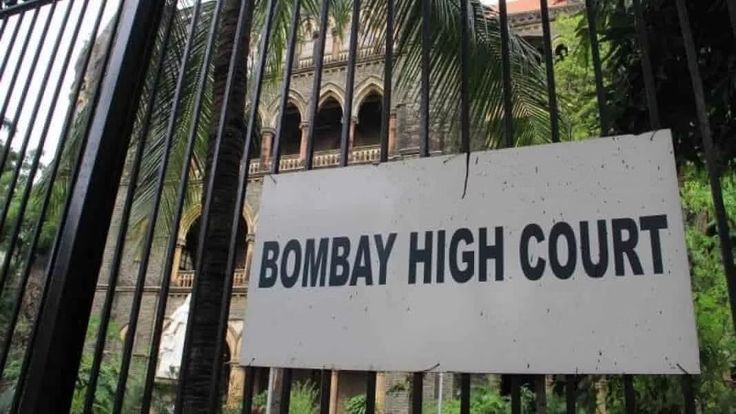
The Bombay High Court quashed an FIR against a 25-year-old student this week, holding that forcing him to stand criminal trial over a breath alcohol reading just 0.1mg above the statutory limit would amount to an abuse of the judicial process.
What the Case Involved
The petitioner in Rohit Abhijit Oze v. State of Maharashtra had been booked under Section 185 of the Motor Vehicles Act, which criminalises driving with a blood alcohol concentration above 30mg per 100ml of blood, the equivalent of a 0.03% BAC limit. His breath alcohol test result came in at just 0.1mg over that threshold. Justice Ashwin Bhobe, hearing the petition, quashed the FIR registered against him.
Why 0.1mg Made the Difference
Section 185 operates on strict liability, intent doesn’t matter, only the reading does. That’s precisely what made this case unusual. A reading barely over the legal threshold sits in a different category from one that shows genuine impairment, and the Court appears to have treated the margin itself as relevant to whether continuing the prosecution served any real purpose.
This isn’t the same as saying the law permits some tolerance above 30mg, it doesn’t. What the ruling does say is that criminal process shouldn’t automatically follow a technical breach where the underlying conduct barely crosses the line the statute draws.
The Court’s Reasoning: Abuse of Process
The High Court’s inherent power to quash an FIR isn’t limited to cases where no offence is disclosed at all. Courts have long recognised that continuing a prosecution can itself become an abuse of process where pursuing it serves no meaningful purpose, a principle rooted in the same reasoning that lets High Courts step in through inherent jurisdiction to quash proceedings that don’t warrant a full trial. Here, the Court effectively treated the marginal nature of the reading as tipping the balance toward quashing rather than letting the case run its course.
What This Means for Section 185 Cases Going Forward
This order doesn’t rewrite the statutory limit or create a formal buffer zone above 30mg. What it does is give future petitioners a precedent to point to when their reading is only marginally over the threshold, particularly where there’s no accident, injury, or aggravating conduct attached to the charge. Whether other benches follow this reasoning consistently will determine if this becomes a real pattern or stays a one-off outcome tied to this petitioner’s specific facts.
Conclusion
The ruling doesn’t loosen India’s drunk-driving law, Section 185 remains a strict-liability offence with a fixed limit. What it signals is that courts retain discretion to look past the letter of a marginal breach when deciding whether a criminal trial actually serves a purpose, and in this case, a 0.1mg margin was enough to tip that balance in the petitioner’s favour.
Written By – Khushi Mittal
