

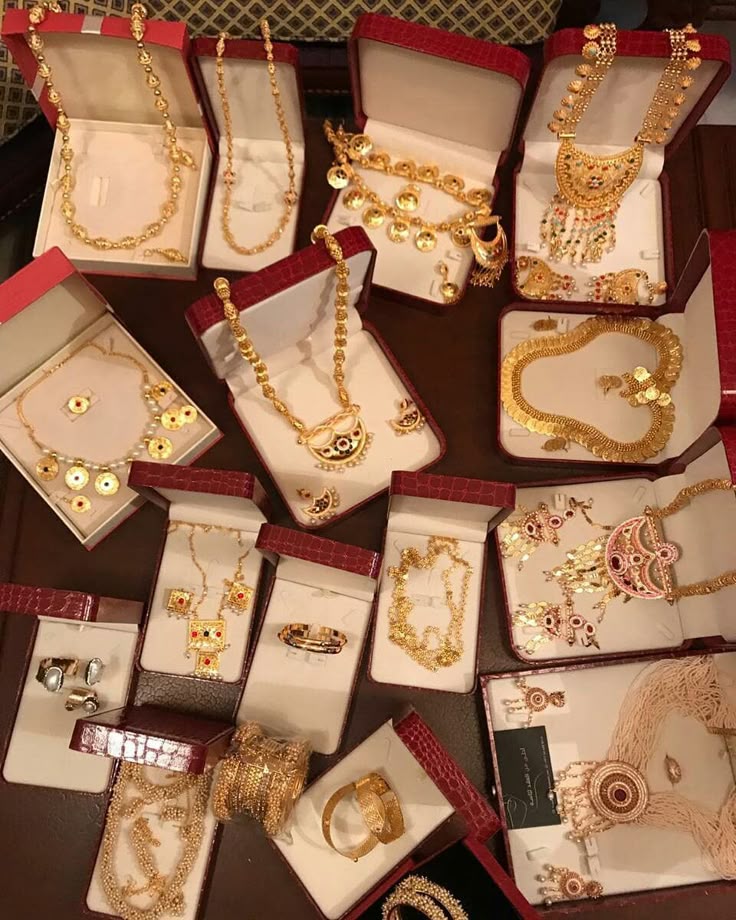
The word Stridhan comprises two words Stri, meaning woman, and Dhan, meaning property. Stridhan is not defined in legislation, but the Supreme Court explained it in the landmark judgment Prathibha Rani V/s Suraj Kumar & Anr, (1985 AIR 628). Stridhan is all movable and immovable property given to a married woman, a maiden or a widow by her parents and their relatives, or by her husband and his relatives.
Women’s Right and Ownership over Stridhan
This concept recognises Hindu women’s right to property including movable and immovable property. Apart from the Dayabhaga school, all schools recognise immovable property as Stridhan. The Hindu Succession Act, 1956, has recognised that women have an absolute right to whether movable or immovable. Section 14 defines the absolute property of females, and it includes Stridhan. This means women have complete, unrestricted ownership upon their Stridhan without any condition, shared rights or limitation.
Can Husband or In-Laws Retain Stridhan?
The foundational ruling on Stridhan, Prathibha Rani, cemented women’s absolute legal right during marriage and after divorce or separation. It ruled that the husband or in-laws are only trustees of the entrusted Stridhan, and they are bound to return it when demanded by her. If the husband or any other family member dishonestly misappropriates the same then it is criminal breach of trust. Stridhan is not considered joint property of husband and wife. The husband has no independent dominion over the property.
Difference from Dowry
The difference is the volition behind giving the property. Property or valuable security demanded directly or indirectly by the groom or the groom’s family on or before or after marriage as consideration for the marriage is Dowry. It is illegal under the Dowry Prohibition Act, 1961. However, the property given voluntarily to the bride is her Stridhan.
Legal Remedies
Criminal and civil remedies are available to recover women’s Stridhan. The Protection of Women from Domestic Violence Act, 2005 provides criminal remedies. Whereas, the Hindu Marriage Act, 1955 offers civil remedies. These remedies are complementary to each other rather than alternative.
1. Protection of Women from Domestic Violence Act, 2005: Section 3 of the Act states that deprivation or disposal of Stridhan is economic abuse, which is indeed domestic violence. Women can file an application for this under Section 12 before the Magistrate. Thereafter, the Magistrate can pass a protection order and residence order under Sections 18 and 19, respectively. These orders prohibit the person from disposing of the Stridhan or direct them to return it to the woman.
2. The Hindu Marriage Act, 1955: The Court is empowered to pass a decree with respect to any property presented, at or about the time of marriage, under Section 27 of the Act. This is a relatively quick civil remedy to protect the woman’s right to her Stridhan under Hindu law.
3. The Bharatiya Nyaya Sanhita, 2023: The misappropriation of entrusted Stridhan by husband or in-laws is criminal breach of trust under Section 16 of the Act. This remedy also protects women’s right to Stridhan.
Conclusion:
Stridhan is an ancient concept in Hindu religion. It secures women’s right to property during her lifetime. In a society where household work is considered women’s primary role, women’s financial assets need protection. This might be the intent behind the concept. An empowered society is built on secured women. After independence, the Judiciary and legislation have fortified women’s absolute right to Stridhan. The present Legislative provisions have maintained a precise balance between custom and present society’s requirements.
Written by:
Sonali Ray
